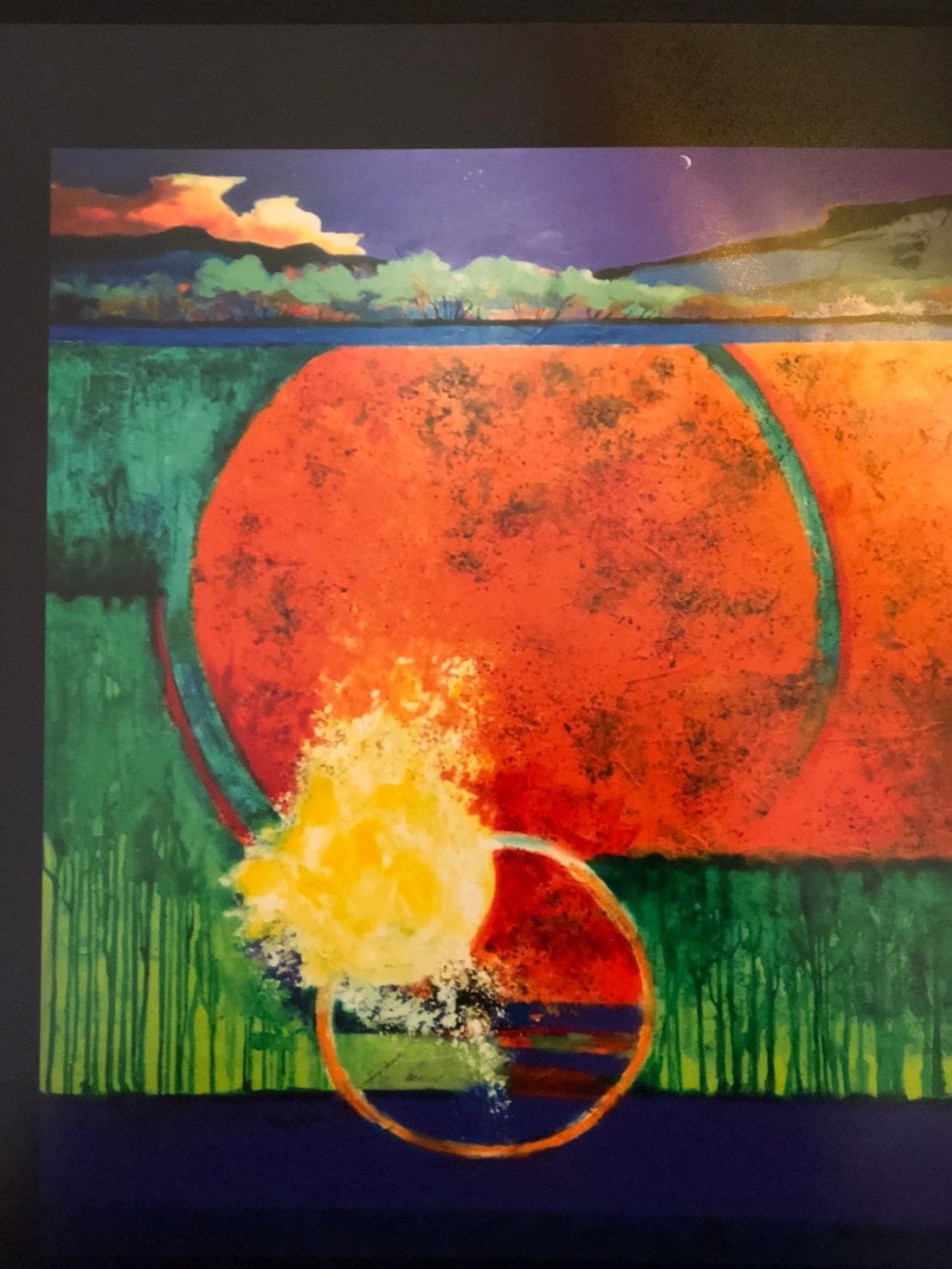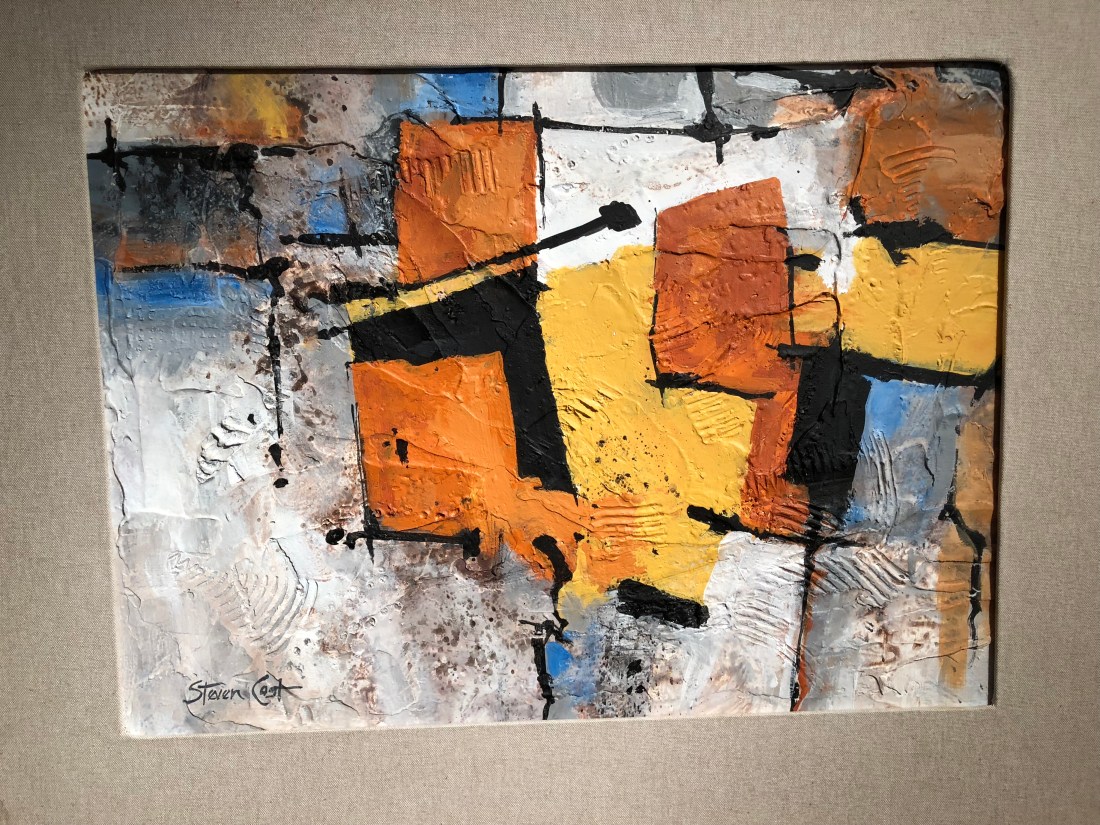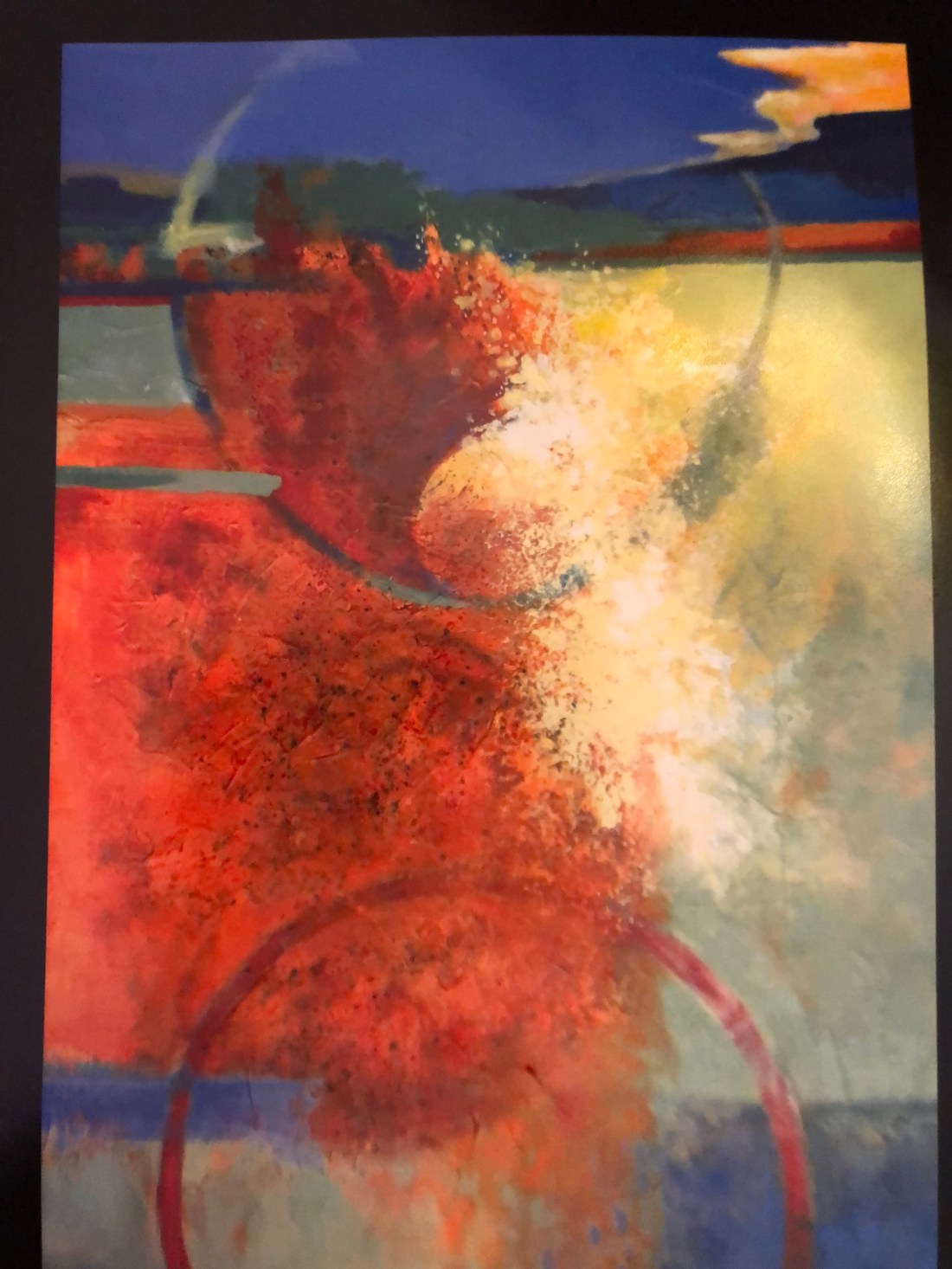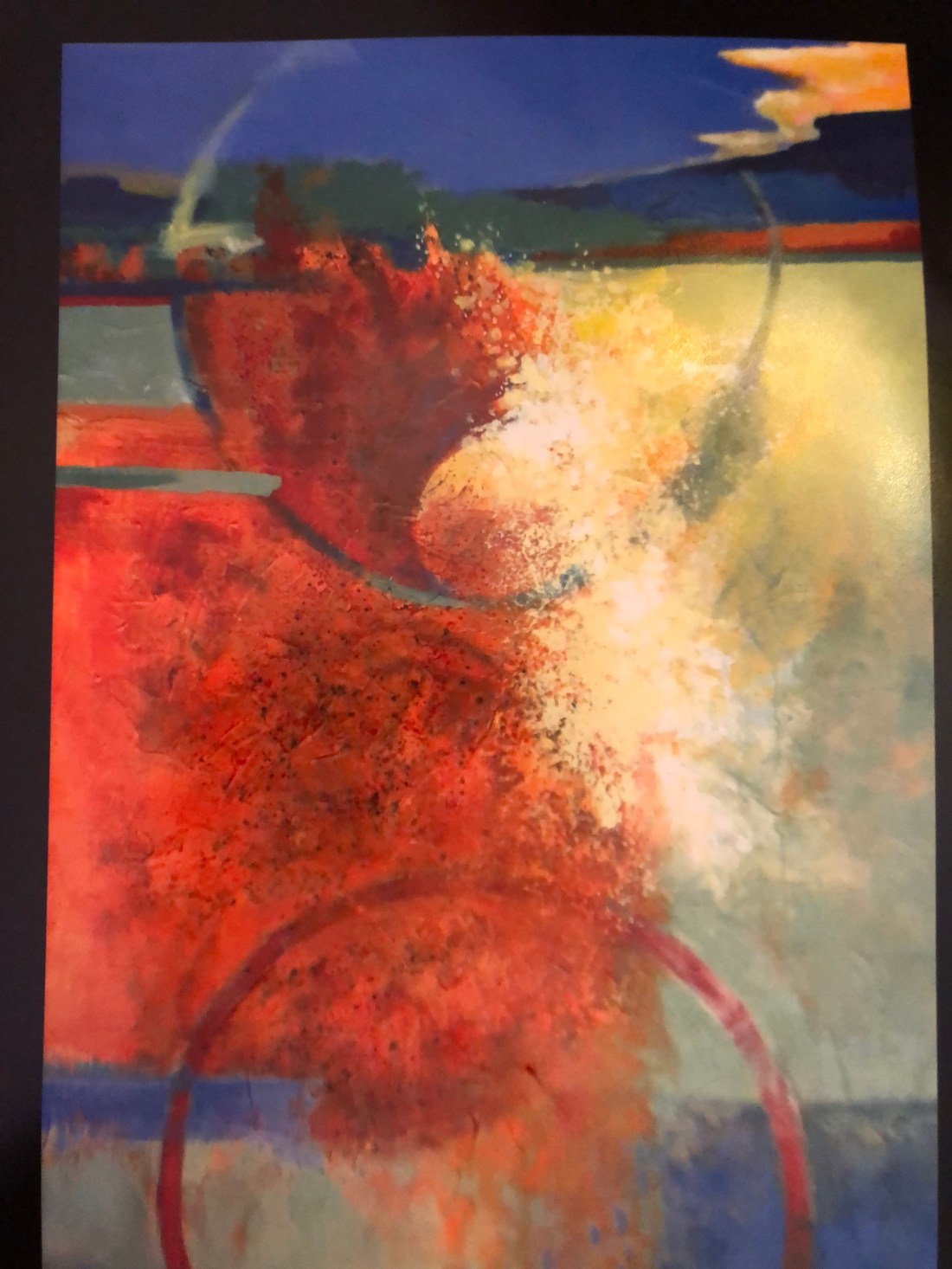
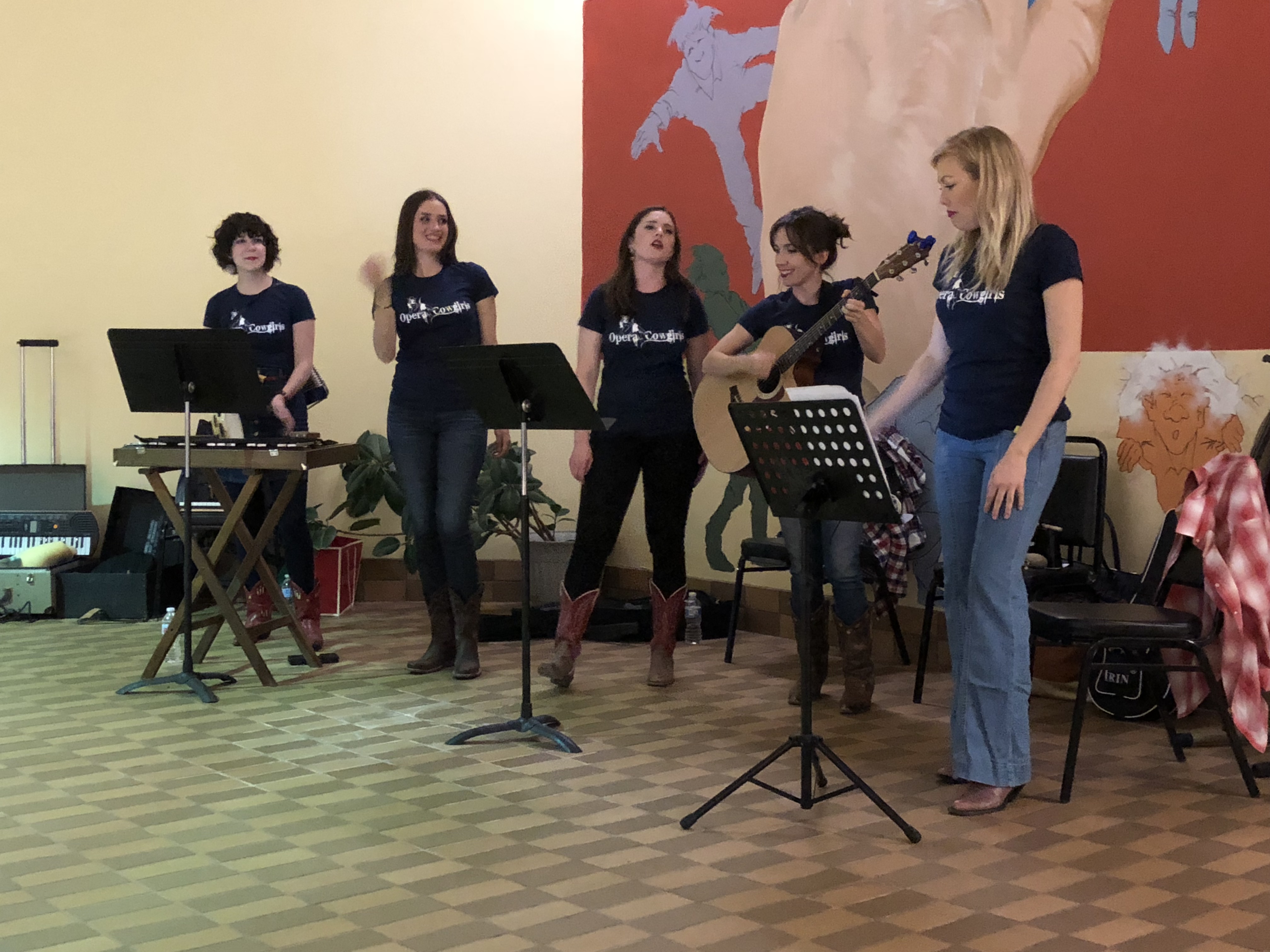
March 14, 2019: Opera Cowgirls Featured Art: Steve Cost

Opera Cowgirls
First Friday ArtWalk
Sunset Galleries
Amarillo-Mar 1, 2019


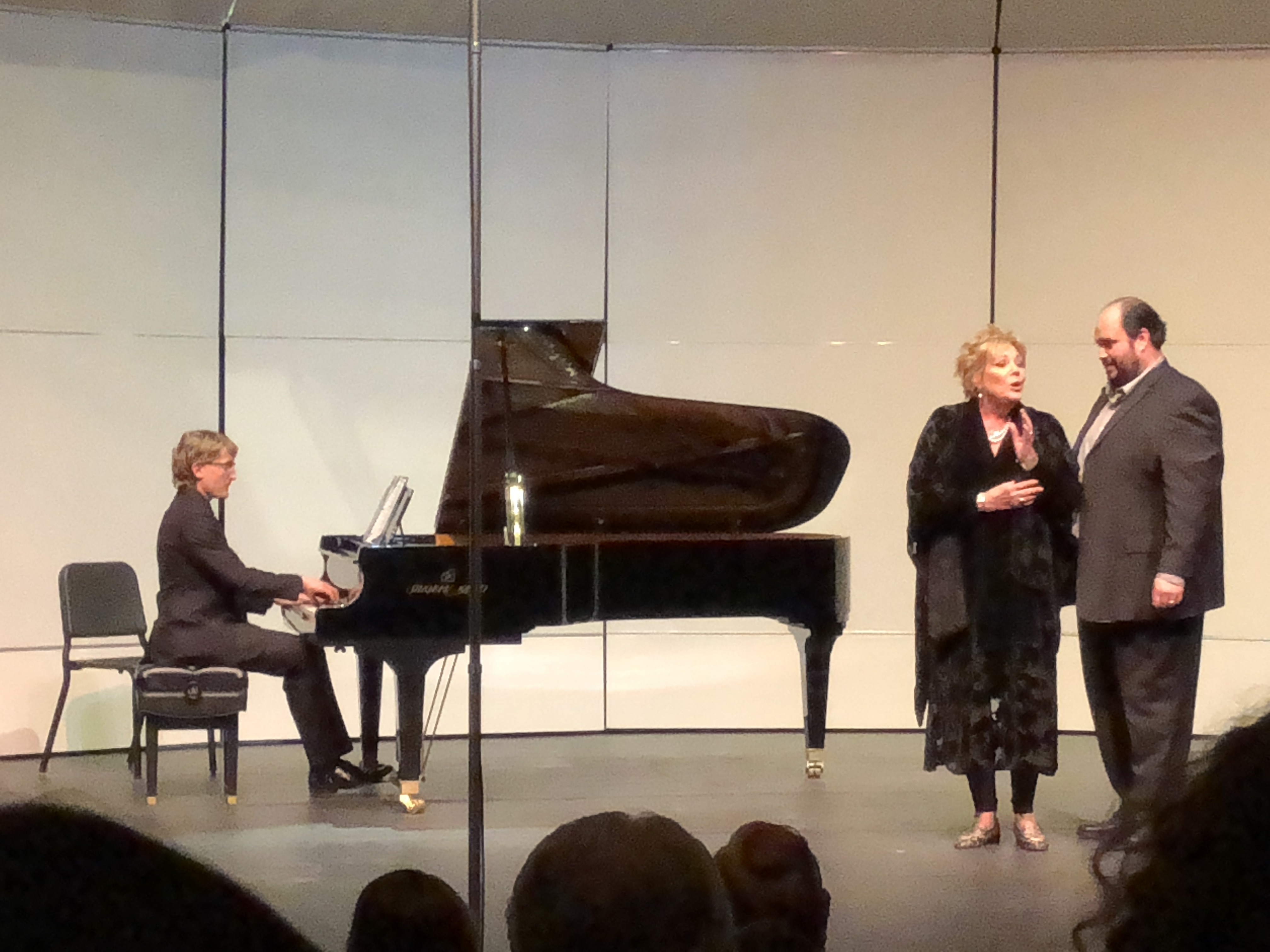
Try crossing the voices of Renee Fleming and Elizabeth Leonard with Tammy and Reba and you have some conception of the Opera Cowgirls.

Founded by mezzo Caitlin McKechney, who has played the serial seductress Carmen more than once, as a way to bring more opera to the public, the Opera Cowgirls make grand opera fun, and on par with country western without distraction or distortion.

The New York City based group rejoined their token Texan, Sarah Beckham-Turner, an Amarillo native, now at WTAMU, for their first Texas performances. Maria Lindsey, associated with the Met told me “Finally I’ve gotten to wear cowgirl boots and people don’t look at me weird!”

A bipolar musical orientation is nominally inherent, but while here the ladies showed they had more sides, singing at the First Friday Art Walk at the Sunset Galleries, at an upscale jazz bar on Polk Street, at a local church, and presenting a heavy-duty memorial to WWI.

Opera Cowgirls
Letters That You Will Not Get:
Women’s Voices From the Great War
Mar 4, 2019
Fine Arts Complex Recital Hall: WTAMU

On Mar. 4 at the Fine Arts Complex Recital Hall, these ladies of song presented Letters That You Will Not Get: Women’s Voices From the Great Warm a stunning vocal testimonial to the trauma wrought by war on wives, mothers and the women soldiers left behind.

Dr. Kirsten Volness composed this work around the libretto by Susan Werbe and Kate Holland. The voices, from solo to quartet sang with an eerie accompaniment of violin and cello. The librettists drew on letters from both the Allies and the Central Powers, because every male in war is a mother’s son or likely some woman’s significant other. The casualty lists from the battlefield don’t factor damage to the human heart on the home front.

The letters and songs spoke of isolation, of anguish, as well as coping in a dark time. A few examples convey the powerful role women played. Dear Alice is composed of thoughts and wishes of mothers of servicemen, which asks the question towards the end, “Can this truly be the will of God?”

“The Dancers” has both a literal and a surrealistically figurative sense. One dances in spite of death, to escape the presence of death and just because you’re alive.

Sarah Beckham-Turner, with broom in hand, sings Salonika: “My husband’s in Salonika and I don’t know if he is dead!”

The singing, both solo and ensemble has an edgy relationship to the strings and is almost off – key. War results when harmony is destroyed, a destruction wreaking emotional havoc on the home front.

This haunting, impactful work required the immense vocal talent of these professional ladies to make it work. And it worked to magnify the reality that though the Great War concluded over a century ago, we still feel and deal with its consequences.

Opera Cowgirls
Mar 4, 2019: WTAMU

“Now for sometime completely different!” made famous in Monty Python. In what constituted a complete artistic volte face from the first of the program, the Opera Cowgirls started ‘dancin with who brung’em.’

For instance, Donizetti’s Una furtiva lagrima from L’elisir D’Amore crescendoed in trio to the overwrought, overdone Momma, si Momma as if in Branson or the Grand Ole’ Opry.

Jessica Sandidge, who also sings with the Met, held forth in full sparkle coloratura in Sempre Libera from Verdi’s La Traviata accompanied by banjolele and cello, the aria losing nothing from the creative acoustics.

And O mio babbino caro by Puccini in Gianni Schicchi loses any hope of sappiness when accompanied by a trio of kazoos.

Three of the ladies sing soprano, but Caitlin McKechney is a mezzo who deeps down to contralto. Her range and richness facilitate a range of harmonies, in evidence when three of the women sang Hallelujah Chorus, the voices sometimes appropriating the melody within the same phrase.

If purists are outraged by this approach, they falsify an alleged desecration and need to understand that the goal of any artist is to expand both outreach and contact.

The Opera Cowgirls have shown that the integrity of opera remains inviolate in this democratized, two-stepping rendition and these professionals can down-home their voices and arrangements to reach out all across this country. However, I’d like to hear them try this with Wagner.

The Opera Cowgirls are a treasure, for which Amarillo can take partial credit. Hopefully Sarah Beckham-Turner’s relocation to WTAMU will catalyze return engagements.

What a performance, spanning the profound to the proletarian. Their art form is rare and deserves more recognition: they just need to get out of the Big Apple frequently and come to Cowboy Country.

For the ladies we say Bravi, and for WTAMU and all who made this possible we say Bravos!

But in encore we say with ovation, “Keep Amarillo Artsy! Keep Austin Weird! Keep Lubbock in the Rear View Mirror!!!
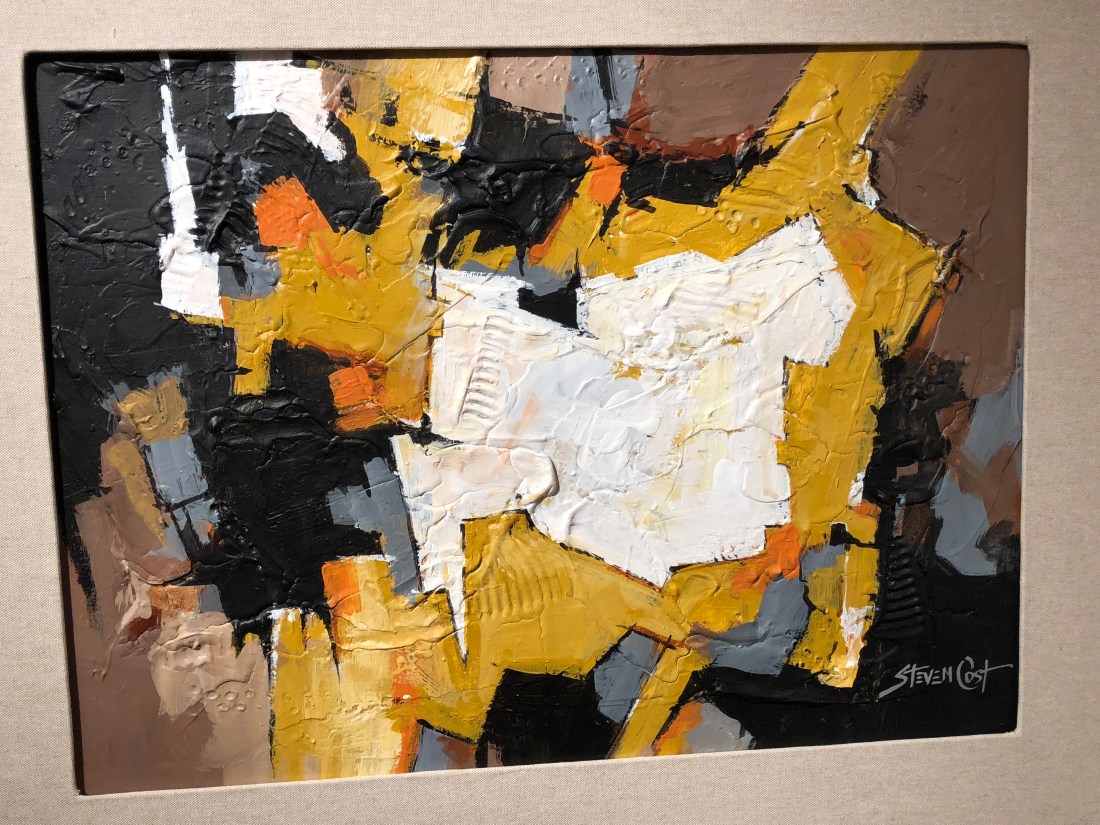

March 11, 2019: WTAMU – Narrative of a Slave Woman; CMA-Music of the Parlor. Featured Art Steve Cost

LaToya Lain, Soprano
Casey Robards, Piano
Narrative of a Slave Woman
WTAMU, NRH – March 2, 2019

Too often history of any form, whether political, social, or, in this case musical, is a chronicle of preferences and consequences of elites.

Two recent concerts gave a musical voice to masses of Americans whose song has too long remained dormant, but whose musical message of the heart resonates powerfully in the 21st century.

On March 2, a performance entitled Narrative of a Slave Woman: A Concert of Negro Spirituals was presented at Northern Recital Hall on the WTAMU campus, co-sponsored by the Panhandle-Plains Historical Museum, the University Office of Diversity and Inclusion, and Amarillo Opera, along with support from the University Guest Artist Committee.

Chamber Music Amarillo, on March 9 at the Fibonacci Space, featured a special program entitled A Celebration-Music of the Parlor, Saloon, Stage, and Screen, with artists Twyla Robinson, assistant professor of voice at TCU and Jerome Tan, now one of the most sought-after piano accompanists in the country.

The music at each venue shared common characteristics. In the first place it was the sound of America’s hinterlands and rural pathways, the voices of those ignored by eastern urbanity and plantation mastery.

Both forms were cathartic, a cry of released pain from social and political realities over which the individual had no control.

And, in each was hope of escape. In the case of slaves it was literal. In the farmlands and townships that proliferated across middle America in the pre-radio/phonograph era, it was the only entertainment.

The vocalists have each made a cause celebre of bringing these songs to a greater public awareness. Dr. LaToya Lain, from the University of Minnesota, whose rich soprano was a mixture of Leontyne Price and Jesse Norman, framed her songs within the narrative of Maggie Davis, born in 1806 but who lived through Emancipation.

Dr. Robinson’s quest began with the discovery of boxes of a grandparent’s cassette tapes, on which he, late in life, recorded all the songs his friends and family sang around the parlor piano out on the Colorado Plains.

She related that she was most taken with how Americans dealt with war, often with humor to mask the pain, like the innocence of the WWI songs His Buttons Are Marked US and They Were All Out of Step But Jim.

Pain was paramount in the slave spirituals. The program opened with LaToya singing, acapella and with wrenching anguish, Lord How Come Me Here? containing the lines I wish I never was born!

Then, with piano played by Dr. Casey Robards from the University of Illinois, the artist sang Watch and Pray with a child asking “Momma, is Massa gonna sell us tomorra?” Maggie would have two children taken from her, such was the evil what blighted our land.

We cannot atone for the sins of our forefathers, but in honoring the songs of those oppressed, we dignify their humanity, something foreign to our ancestors.

In both song cycles courage was depicted and enjoined. The message of Steal Away and Wade in the Water spoke of hope for a better life through escape. Just “follow that drinkin gourd!”

Twyla Robinson
and
Jerome Tan
Chamber Music Amarillo
March 9, 2019

And, at the Fibonacci Space, much of the program focused on the composer Carrie Jacobs Bonds who rose from sleeping-on-the-bare-floor-one-meal-a-day poverty to owning a multi-million dollar music publishing company. Her most famous song, A Perfect Day written in 1909, sold over twenty fivc million copies. Called by President Hoover “America’s Gallant Lady of Song,” she certainly broke the glass ceiling, an example to hold up for International Woman’s Day!

One of the highlights was Jerome Tan playing the Maple Leaf Rag. Who says the Fazioli 278 is just for concertizing in the great halls? The touch of Tan gave this piece all of the barroom bounce Scott Joplin could have wanted.

Our thanks to David Palmer of CMA and Robert Hansen, Dean of the WTAMU School of Music who were pivotal in arranging these events in such meaningful proximity. The combined effect was to provide a valuable insight into the heart of a bygone era, helping many of us to connect with our past.

For its only by knowing our origins that we can truly come to know ourselves and move forward to make a better world.

For such enlightenment and uplift, we strongly assert, “Keep Amarillo Artsy! Keep Austin Weird! Keep Lubbock in the Rear View Mirror!!!”

March 9, 2019 WTAMU Symphony Orchestra Concert Featured Art: Steven Cost

Nicholas Scales
&
WTAMU Symphony Orchestra
February 24, 2019


The WTAMU Symphony Orchestra presented its spring term concert on Feb. 24 at the Northern Recital Hall.

It goes without saying that the mature artistry of the young musicians was magnificent!

The program, entitled Fables and Lore, was equally memorable for its selections: two Americans; one Italian and one Chinese composer. Two of the works came from the 19th century, and one each from the 20th and 21st centuries. Finally, two of the four composers wrote film scores.

The concert began with the Allegro from the Sonata for Piano Duet and String Quartet by Jerome Moross, best-known for writing the music for sixteen films, most famously Big Country.

It’s no wonder that the entire work had a soundtracky vibe: very peppy and upbeat, and, without question, an American sound.

From filmscores to Italian opera, the orchestra, under the baton of of graduate student Stephanie Littlejohn, played the Intermezzo from Cavalleria Rusticana by Pietro Mascagni. This short, evocative work seems to reflect tender, emotional musings where distance in time and space conjure longing, not pain.

The featured work was Contrabass Concerto: Wolf Totem created by the Chinese composer Tan Dun in 2014. Dun, like Moross wrote music for films like Crouching Tiger…., and this piece showcases the talent of Associate Professor Nicholas Scales on the double bass.

In this work Dun takes the listener beyond the Great Wall to the steppes of Mongolia where the endless sky is divinity, divinity that is manifest in the sacred wolf.

Throughout the piece, Nick’s double bass variously evoked the sounds of the landscape’s infinity, the howl of the wolf, the thunder of horses hooves, and the climactic importuning of grace for the land, the wolf and the human spirit.

And, for much of the work, Nick’s bass sounded like the horsehead fiddle played by the people who live in felt tents.

As one who has traveled extensively in Mongolia, I would rate Maestro Scales superior to the Mongol masters of the instrument, and, with the addition of perhaps throat-singing or long-song, suggest that he arrange bookings in Ulan Bator, but not in winter!

Nick then treated the audience to an encore by Francoise Rabbath entitled Espana. The composer is arguably the world’s premier double-bass pedagogue, known for his technique of pivoting. Nick’s performance, all finger work, credits the artistic vision of Rabbath.

The concert was book-ended by American composers with the final number the 1894 Allegro di molto from Symphony No. 2 (Gaelic) by Amy Beach. This work was the first symphony by an American woman, also one of the first composers on this side of the pond to have no European training.

The movement opens powerfully, and sustains its impetus like an advancing army. Anyone looking for a soft, feminine touch in this confident work will meet disappointment.

What a splendid performance by the WTAMU Symphony, such judicious selections by Dr. Mark Bartley and such supreme artistry by Dr. Nicholas Scales!

All of the above is a major reason we can say: “Keep Amarillo Artsy! Keep Austin Weird! Keep Lubbock in the Rear View Mirror!!!!”


March 4, 2019: Boris Konovalov Piano Recital; Featured Art Steven Cost

Boris Konovalov
WTAMU
Feb 22. 2019

The evening of Feb. 22, Dr. Boris Konovalov performed Schubert, Rachmaninoff and Brahms at The Grace Hamilton Piano Festival Guest Recital at Northern Recital Hall on the WTAMU campus.

The festival is a celebration named for the Amarillo pianist who helped found the Amarillo Symphony and served as its first conductor and awards a scholarship prize to the winner of the competition.

Originally from Novosibirsk, Siberia, Maestro Konovalov boasts an impressive resume of prizes, positions and performance venues. He has released six CD’s and currently lives in Vancouver.

He began the program by his own arrangement of Schubert waltzes, a prerogative assumed by a number of composers.

The Maestro took immediate control of the keyboard, the sound reflecting his mastery of technique.

Some of the themes are very waltzy, imparting visions of an Alpine meadow filled with spring flowers. Other themes are a bit of a stretch, conjuring martial images like a cavalry charge, or maybe a buffalo stampede. After all, the buffalo is the school mascot.

Whatever the theme, the Schubert was a delight to hear, and Dr. Konovalov made the Steinway sing to the entire auditorium.

The major part of the program consisted of Rachmaninoff with selections ranging from the reflective to the raucous.

The “Elegie Op. 3 No. 1” actually fits the first adjective and exists in stark contrast to the powerful poundings of some of the preludes.

This piece is a post-mortem, but hardly maudlin as the composer invites the listener to share happy memories of lost loves and lives.

The next two selections, “Melodie” and “Polichinelle” are from “Morceaux de Fantaisie” written in 1892 and dedicated to one of his teachers Anton Arensky.

“Melodies” which was revised in 1941 for unknown reasons, begins with a left-handed melody and then right-handed accompaniment, which ultimately becomes quite complex, with the artist using crossed hands to enhance the evocative quality.

The “Polichinelle” is playful and delightful, but still strong. It’s hard to credit the composer’s assertion that he had a lifelong battle with chronic lassitude, with the stunning energy these works radiate.

Dr. Konovalov played five preludes, the most famous, of course, the “C-sharp minor” drawn from the same suite as the “Melodie” and “Polichinelle.”

The fff chordal triad marking the beginning is as well-known as the four note opening of Beethoven’s Fifth Symphony. And the deft touch of the maestro showed in the marked contrast between strong and soft, leaving the audience in Rachmaninoff Elysium.

The final number on the program was the “‘Variations on a Theme by Paganini,” Bks 1 and 2. Each book opens with Paganini’s “Caprice No. 24 in A minor” followed by fourteen variations.

Brahms, in capturing the musical soul of “the devil’s violinist” reveals himself possessed of a bit of Der Teufel. And Boris Konovalov rendered these pieces with fiendish intensity, possibly exorcising the demon within.

“World-class” has become a hackneyed phrase, but that is exactly what we were treated to this evening in the heart of cowboy country, a world-class performance by the All-Russia grand champion pianist.

It was with regrets that we left the realm of the arts to return to reality. But that is a frequent feeling we’ve come to know on the High Plains.

Our thanks to Denise Parr-Scanlon and Dr. Robert Hansen for arranging this splendid occasion. And, with even more reason we say, “Keep Amarillo Artsy! Keep Austin Weird! Keep Lubbock in the Rear View Mirror!!!!”

Upcoming Events: WTAMU Mar 4: “Opera Cowgirls” and Graduate Band Concert; AC Mar 5, Piano Series; Chamber Music Amarillo, Mar 9.

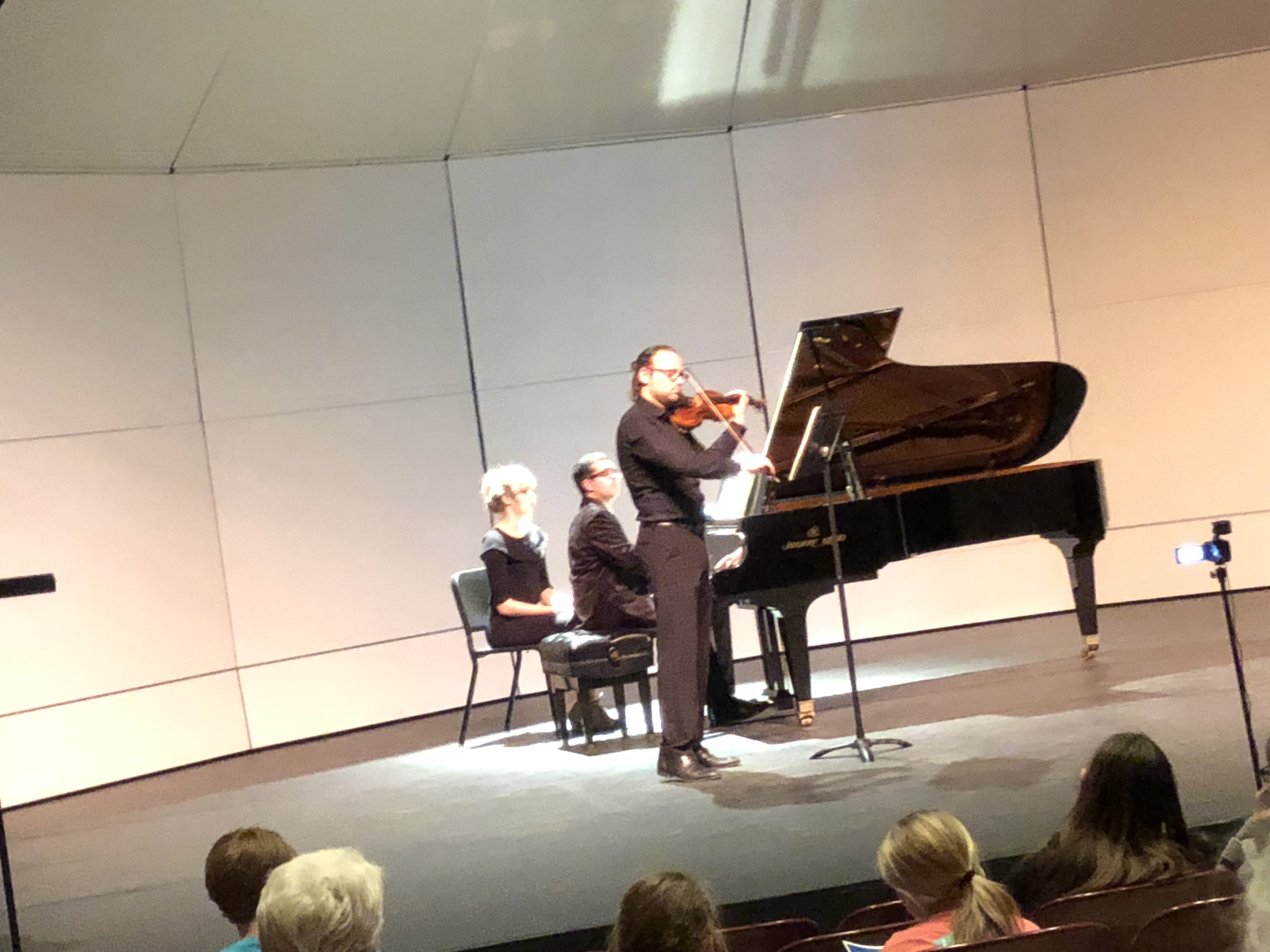
February 28, 2019: Evgeny Zvonnikov, violin; Diego Caetano, piano; AC Piano Series Concert

Evgeny Zvonnikov and Diego Caetano
AC Piano Series Concert
Amarillo College Concert Hall
Feb. 12, 2019

On February 12, an audience of 40 or so fine arts aficionados enjoyed an elevating evening of incomparable violin and piano artistry by Diego Caetano and Evgeny Zvonnikov.

Diego has provided a signal service to this community by offering an international array of artists through the AC Piano Series, and this night certainly fit that mold with Brazilian and Russian musicians along with a world-premier by a Brazilian  composer.

The concert opened with “Sonata No. 2. Op. 121” by Robert Schumann. This work was completed in three weeks in 1851 during a final surge of creativity, after which Schumann would attempt suicide and endured a mental breakdown that would prove fatal.

Curiously the motivic feature of the work, the D minor triad, corresponds to the initials of the dedicatee, Ferdinand David.

The first movement is titled “Langsam,” but it is very stately but at the end alternates between the pensive and the flippant.

The second movement has a strong tandem opening which features a strong emotive quality that some suggest is a hymnal nod to Mendelssohn.

The third movement, “Leise, einfach,” light and easy, is false advertising. Evgenny’s triple-stopping and aerobic pizzicato should be termed “beeindruchend:” impressive!

The fourth movement, “bewegt” or moving, undulates in intensity like a sine curve. Serrated triplets signal theme changes in the flow of modulation which builds to a powerful finish.

This was a world-class performance by world-class artists!

And, speaking of world-class, the composer of the next work, the Brazilian G. Bernstein, portends world-recognition for his compositions if the world-premier of his “Sonata for Violin and Piano” is any indication.

A tremulous but hardly timid piano opens the work before taking a backseat to the violin until the end of the movement where the instrument asserts a dissonance and a heavy hand.

The second movement, “Lento,” opens with a solo violin which becomes high and poignant in concert with the piano, then ends abruptly with no sense of closure.

The ambiguous end of the second transitions to a bouncy third where distinctive regional rhythms emerge, becoming almost anthem-like. A very snappy and raucous dialogue plays twixt the violin and piano, which, like a good movie, leads to a happy ending.

This just proves that Cowboy Country is a good place for world premiers, and we’d be honored to hear many more from Maestro Bernstein played by such a dynamic duo.

The third work on the program was “Sonata for Violin and Piano” by Cesar Franck who composed it as a wedding present for the violinist Eugenie Ysaye. So, the next time you don’t know what to give for a wedding gift, try a sonata!

The first movement begins wistfully with the piano leading the amplification towards a beautiful conclusion.

In the second, a rumbling piano presages a different theme, which, with the violin, becomes turbulent and angry as the theme is recapitulated and resolved.

The third, or “Ben Moderato,” allows artistic improvisation permitting Evgenny to release his inner Hungarian gypsy. The mood isn’t sustained as the tone becomes anguished, then accepting, like the grief process.

The fourth then surprises by its almost whimsical opening which is echoed contrapuntally in increasing intensity to conclude in a transcendent crescendo. What a piece of music!

And, what an evening out here on the High Plains of the Panhandle where the perceived art forms are variegations of barbed wire and horseshoes but we reveled in Schumann, Franck and a Bernstein world-premier.

Let’s Keep on Keepin Amarillo Artsy, Austin Weird, and Lubbock in that Rear View Mirror!!!!!!


February 23, 2019: WTAMU Faculty Grand Recital; AC Honors Students and Faculty Recital

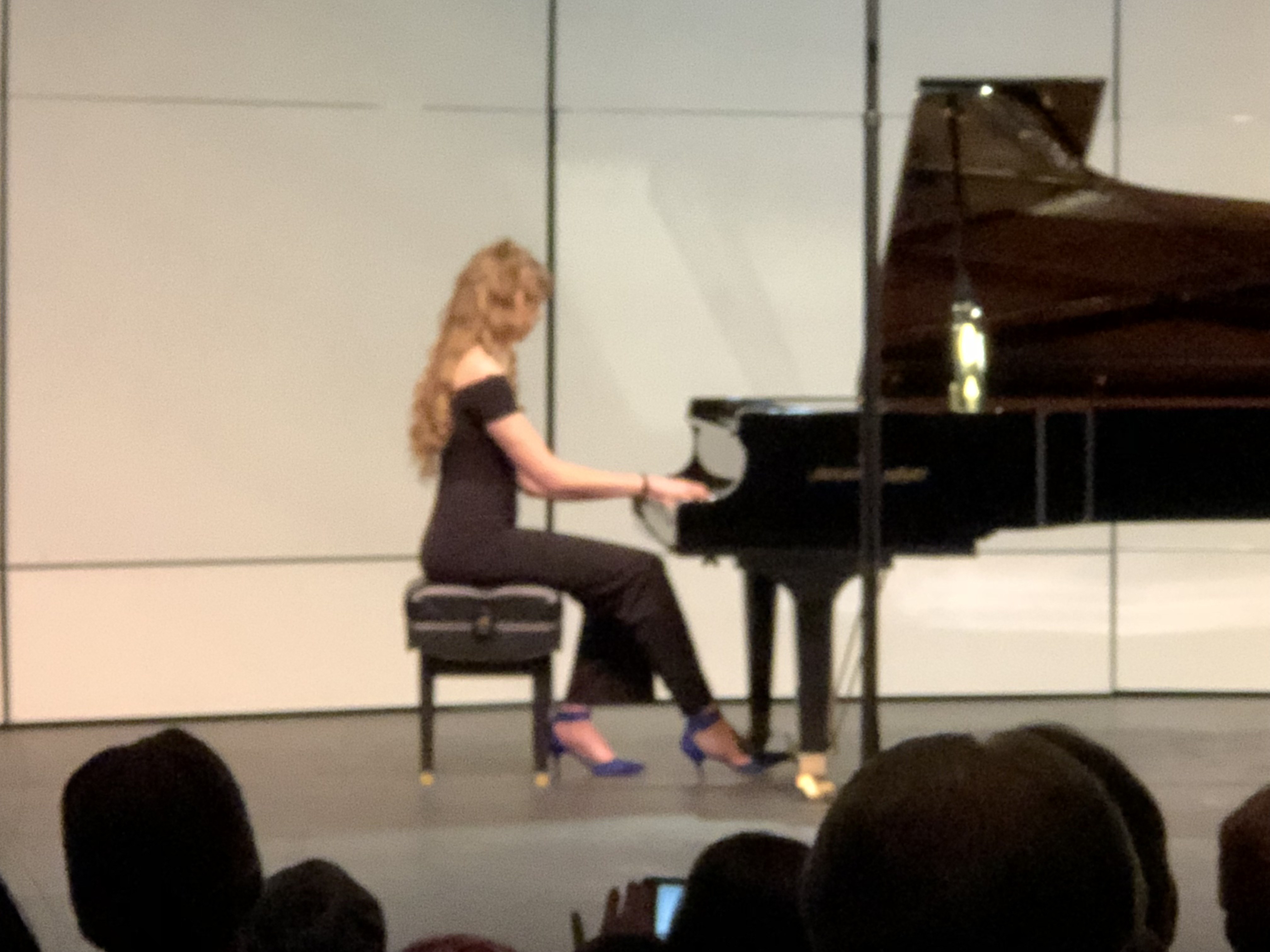
Andreanna Simpson Playing Chopin
Honors and Faculty Recital
Amarillo College: Feb 10, 2019

Twin events reveal one reason why the arts in Amarillo are at such a stellar level. On Jan. 25 the WTAMU School of Music staged their Faculty Grand Recital.  On Feb. 10 the Amarillo College Department of Music showcased its Honors Students and Faculty Recital.

At WTAMU professional musicians chose among other professionals for performance privileges.  What the audience enjoyed was the musical equivalent of a sampler box of Godiva Chocolates.  You don’t get enough of any one kind and still want more when the box is empty. 

I will mention only three numbers from the program.

Tina Carpenter and Christopher Garcia, with Mila Abbasova accompanying on piano, performed a Michael Campbell work which amounted to dueling bassoons. Did you know those wooden pipes or those playing them can be comedic? Maybe standup bassoonery is in their futures.

Sarah Beckham-Turner, soprano and Robert Caldwell, baritone, again accompanied by Mila Abbasova performed “Ha! Dove sei crudele…..” from Verdi’s “Il Trovatore.” Apropos to the Godiva analogy, these vocals left the audience wanting more.

Finally the internationally-known Harrington String Quartet played the Scherzo from Borodin’s “String Quartet.” Only one movement!  That’s like a wonderful appetizer with no main course!

Mary Jane Johnson and Eric Barry
Duet from ‘Don Giovanni’
Dr. Nate Fryml Piano
Amarillo College Honors and Faculty Recital
February 10, 2019

The program at Amarillo College showcases the caliber of the professional staff as well as the quality of student artists at our community college.

The audience was treated to the duet La ci darem la mano from Mozart’s Don Giovanni with Mary Jane Johnson and Eric Barry. Mary Jane is a veteran of the Metropolitan Opera, and new-to-the-faculty Eric is destined for that venue. And did they ever seem to know their stuff.

The full house at the Concert Hall also enjoyed the three movement Hadyn Quartet in D Major with Amy Umlah, flute; Katy Moore, violin; Camille Day Nies, viola; and Russell Steadman, cello.

The real stars were the students, among whom were Andreanna Simpson playing Chopin and Anna Bahn, singing Care Selve from Handel’s Atalanta.

The Vocal Jazz Choir, directed by Dr. Nate Fryml, but singing autonomously, performed an amorphous soundscape by the Swedish composer Petter Karlsson, a challenging work for advanced students, but these freshmen and sophomores sang splendidly!

The program concluded with the AC Jazz Band, under the direction of Dr. Jim Laughlin, whose heterogeneous membership included musicians from both the college and community.

The variety and quality of both performances evinces the incredible baseline of musical talent in the Amarillo area. A reason we enjoy such a rich cultural feast in Cowboy Country is due, in large measure, to the contributions of the music departments at AC and WTAMU.

Our gratitude to Camille Day Nies, Department Chair at AC and Dr. Robert Hansen, Dean of the School of Music at WT for facilitating these valuable offerings to the public.

Our college and university are reasons we can say with swagger: “Keep Amarillo Artsy! Keep Austin Weird! Keep Lubbock in the Rear View Mirror!!!”

February 21, 2019 – “Spring Awakening;” “Fun Home”

Two recent and concurrently-staged shibboleth shattering plays sabotaged perceived Panhandle social and sexual mores. 

“Spring Awakening,” based on the original 1906 play by Frank Wedekind and adapted as a musical by Steven Sater and Duncan Sheik was performed at WTAMU.

“Fun Home,” based on Allison Bechtel’s graphic autobiographical novel and adapted for the stage by Howard Ashman and Alan Menken, was performed at Amarillo Little Theatre’s Adventure Space.

These plays shared commonalities besides concurrency. They both won Tony Awards, both were musicals and both deal frankly with sexual coming-of-age as subject matter in ways I’ve never encountered on an Amarillo-area stage.

Alan Shankles, calls directing “Fun Home” one of the most gratifying experiences in his thirty-four years at ALT. Director Stephen Crandall notes that audiences shocked by the 21st century iteration of “Spring Awakening” are no different from those over a century ago in Germany.

There, Frank Wedekind’s portrayal of the sexual awakening of adolescents waved a red flag in the face of conventional bourgeois German morality, whose conservatism has current application.

“Fun Home” centers around Alison Bechdel’s odyssey for sexual identity in a highly-dysfunctional home and is the first Tony Award-winner to have a lesbian protagonist.

A relatable common theme running through each play expresses what we wish our parents had told us about physiology and the heart. The consequences of ignorance provide a chief source of tension in both.

A sampling of real or simulated actions offer a gauge of the content. For instance, homosexual kissing (both), homosexual (ALT) and heterosexual sex(WTAMU), abortion and death (WTAMU), suicide (both), S&M and group masturbation (WTAMU). Well, there was no nudity but this is still the Panhandle and Mary Poppins these ain’t!

From “Spring Awakening,” some of the lyrics are revelatory. Note: “The Bitch of Living;” “The Word of Your Body;” and “Totally F**ked!” The songs of “Fun Home are more of a continuation of the dialogue as opposed to an elaboration.

The staging for each play was minimal. In SA the musical accompaniment was in plain view and at times the musicians appeared responsive to the script.

Both plays demanded a lot from both the audience and the actors. Kudos to Jason Miller of “Fun Home” who plays the ocd control-freak closeted-gay father who commits suicide. Piper Laur, Victoria Fisher and Annika Spaulding play Alison Bechdel from youth to adult. Brava to all these ladies! They, and the directors, including Caitlin Campbell walked a slippery slope in creating this character arc.

Loud applause to the whole cast of “Spring Awakening,” but especially to Abbi Roe who played Wendla and Zach Perrin who played Melchior. Just like their Thespian predecessors in 1906, their roles, and those of their fellow cast members required incredible courage.

Courage is a quality we Texans can all understand, and the productions of both plays, in the face considerable disapproval, required both courage and confidence at many levels for both ALT and WTAMU.

So, those of you who think this Amarillo area remains retro with moral blinders to fix a corridor mentality and vision, you don’t know the arts, especially the theatre in these here parts.

That’s why we celebrate the arts here by saying: “Keep Amarillo Artsy! Keep Austin Weird! Keep Lubbock in the Rear View Mirror!!!!”

Coming Up: 21st – Christopher Atkins – Cello Recital – AC; Sara Beckham-Turner, American Opera Voice Recital – WTAMU; 22-Grace Hamilton Piano Recital WTAMU; 21 – 24 “The Tempest” – AC; 24- WTAMU Orchestra Concert; 22, 23 – Amarillo Symphony

February 16, 2019 — “Georgia O’Keeffe in WWI”

Dr. Amy Von Lintel
Georgia O’Keeffe and WWI”
Friends of Southwest Art
Panhandle Plains Historical Museum
February 7, 2019

Thursday, February 7, Friends of Southwest Art hosted Dr. Amy Von Lintel of WTAMU who spoke on “Georgia O’Keeffe and WWI” in the Hazlewood Room at the Panhandle Plains Historical Museum.

The central tenet of Dr. Von Lintel’s remarks is that the words and works of Georgia O’Keeffe during her time at Canyon communicate war-related messages.

O’Keeffe called her passion for painting “being on a warpath,” and while on that warpath in Canyon she produced more that one-hundred works.

Professor Von Lintel maintains that O’Keeffe was influenced by European artists like Kandinsky and the Futurists, showing that “she was in dialogue with an international set of aesthetics.”

Her views to the war were well-known, urging all young men to at least finish their term before enlisting. Her opposition to X-mas cards at the drugstore carrying the Yuletide message of “Wipe Germany off the Map!” spread with the prairie fire speed of small town gossip.

Her alienation from the Canyon populace was amplified by her refusal to conform to other social norms, such as going to church, her involvement with the teenage student Ted Reid, and her non-conformity in dress.

Dr. Von Lintel showed a number of O’Keeffe’s works to illustrate her points. Series I From the Plains 1919 revisits her wartime sensations inspired by the sorrowful lowing of cattle and the sharp serration of lightning, symbolic of men shipped off to the meat-market of sharp-edged war.

“Nude Series XII” blurs the lines of the human form, perhaps humanity in general, in pinks and red, while the faces of her nudes resemble gas masks.

“The Flag, 1918”, has lost its identity, partially obscured by grayish-blue smoke, the pall of the battlefield. At the base of the flag is an amorphous analog to her nudes.

In both Europe and the US, artists were horrified by the wanton, senseless and politically pointless destruction wrought by the Great War.

In Europe this feeling informed German Expressionism and inspired Dadism.

For Georgia O’Keeffe, WWI confirmed her iconoclastic identity. It also occasioned her contracting the Spanish Flu, the recovery from which took her permanently from the Panhandle.

Dr. Von Lintel does a great service by educating the public to the Panhandle presence of the world’s most famous female artist a century ago.

The great shame to both Amarillo and Canyon is that neither locale has owned that identity. That possession has defaulted to Santa Fe, which reaps both the recognition and the tourist dollars.

But our thanks to Amy for communicating this message related to the great cultural heritage attached to this region. That’s why we say, “Keep Amarillo Artsy! Keep Austin Weird! Keep Lubbock in the Rear View Mirror!!!!


February 14, 2019 – Amarillo Opera: “Fireflies of Terezin”


Fireflies of Terezin
Amarillo Opera
February 2, 2019


To watch a putative world premier of a work of art so staggering in its implications about a time and place that conjures nausea and nightmares all behind the facade of children’s fantasy is a heavy load for both performers and audience.

This all happened February 2 at Amarillo College’s Ordway Hall in Amarillo Opera’s production of the “Fireflies of Terezin.”

Terazin, or Theresienstadt, as known by its more ogrish Nazi moniker, was the site of one of the cruelest charades ever staged by mankind.

To Theresienstadt, from 1942 – 1945 were sent the artists and intellectuals of European Jewry. They were coerced to play the parts of perfectly content inhabitants of a model ghetto for non-belligerents, like the Red Cross, to observe.

To complete this monstrous deception, the SS overlords encouraged the performing arts. Hence the famous Verdi’s “Requiem,” termed the “Defiance Requiem” for its prophetic “Dies Irae” which was performed repeatedly for the black uniformed killers who never caught on.

From this hellish millieu came the children’s productions “Brundibar” and the “Fireflies of Terezin.” Amarillo Opera performed the first two years ago with the aid of Ela Stein Weissberger, one of the original cast and one of the one percent of the children who survived.

Among the insights Ela Weissberger provided was the information about “Fireflies,” based on a Jan Karafiat fairy tale, parts of which she was translating from the Czech. She informed “Brundibar” director Linda Hughes that other efforts had taken place to recreate this musical stage play, and she asked Linda to find all the pieces and direct this work.

Sadly Ela passed away during the interim, unable to witness her request coming to fruition.

Linda’s persistent research revealed a former presentation in Denmark, and a collaborative work in progress at Central Michigan University between playwright Dr. Lauren McConnell and composer Jose-Luis Maurtua. It took time and effort but Linda finally gathered a complete script and score.

The musical, if taken at face-value, is a children’s play with a happy ending, intending to delight and entertain.

But the context of a concentration camp makes this an allegory of survival, of bringing light into a benighted world.

Like Picasso’s incandescent bulb illuminating the barbarity of Guernica’s terror-bombing, the message of “Fireflies” is concretized in “Das Einlosung.” The tenet, even allegorically is profound: be true to who and what you are because the dark winter of despair will yield to the brightness of spring.

And even as the children performed this 75+ years ago behind the barbed wire, they knew what would happen to them. Even so, they chose to create, for a short time on stage, an escape into fantasy and a hope for a better world.

We’d like to think that we’ve moved beyond the inhuman insanity of the Holocaust into that better world. However, we’re all too aware of the ubiquitous hate groups that deny the Holocaust and the majority of millennials who live utterly ignorant of the event.

“Never Forget!” are the words that shroud Yad Vashem in Israel and cry from the headless human sculptures of “The Bronze Crowd,” a testimony to those millions lost by Magdalena Abakanowicz at the Nasher Sculptural Center in Dallas.

And “Never Forget!” propelled Amarillo Opera to stage “Fireflies,” an homage to the children of Theresienstadt whose life dreams were cut short by Zyklon B. The Opera honored their lives with dignity and purpose on Feb. 2.

For that effort we thank Producer Mary Jane Johnson who committed to this work, Director Linda Hughes who brought together all the disparate elements, including a young cast, and Dr. Nathaniel Fryml for being a one-person pit orchestra, and the rest of the stage crew.

Most of all we thank the very young actors and actresses who handled the emotional load of their roles with aplomb and maturity.

In art lies the antidote to the political poisons and toxic tyranny that culminated in the camps. That’s why we can proudly but defiantly say, “Keep Amarillo Artsy!”


February 11, 2019

Dr. Andrew Roberts
Author: “Churchill: Walking with Destiny”
Amarillo National Bank
February 8, 2019


The Skyline Room at Amarillo National Bank was filled to capacity Friday night, February 8, to hear Dr. Andrew Roberts of Cambridge discuss his book, “Churchill: Walking with Destiny.”

The New York Times calls the author’s treatment of Churchill “Thucydidean,” and asserts that this massive work is “the best single volume biography of Churchill” yet written.  Incidentally, the book is on the NYT’s bestseller list.

The event, sponsored by WTAMU, included in the audience Amarillo’s mayor, state senator and an area state representative. Dr. Roberts was introduced by the President of the University.

The author came from his book-signing table, his hand doubtless the cramped victim of overuse. WTAMU received a portion of the proceeds, and judging by the line of book-buyers that was a substantial amount.

Andrew Roberts’ crisp British intonation carried clearly through the room while his self-effacing humor put the audience at ease.  He punctuated his presentation with several vintage Churchillian quips.  Who says the Brits have no sense of humor?

Roberts contended, at the onset, that Churchill thought himself ultimately destined to lead and save England, and, as a romanticized/regency figure, paced his life accordingly.

His two greatest qualities, along with his elevated eloquence, were self-confidence and moral courage, which never faltered even as the tide of history appeared to surge against him.

Churchill made huge errors in judgment, but Roberts contends he always learned from his mistakes.  And, what he got right, namely the rise of Prussian militarism, and both Nazi and Communist aggression, more than compensated.

Roberts does not believe that Churchill was either an alcoholic or a depressive, but admitted that Churchill possessed an immense tolerance for spirits. 

What makes this biography unique among the more than one thousand already written is that Roberts is the first to use the notes of the War Cabinet as well as the diaries of George VI.

Critics carp when they say the author can’t get past the man of myth to see, with clarity, his feet of clay.  With Churchill, more than any person of modern times, there’s too much human being truncated by mortality for one to contend, or comprehend.

Our gratitude to Dr. Roberts for adding to the rich culture of the High Plains and to WTAMU for making the arrangements.

Such exposure to world-class literature in the heart of cowboy country is a reason we can say, “Keep Amarillo Artsy!  Keep Austin Weird!  Keep Lubbock in the Rear View Mirror!!!!!